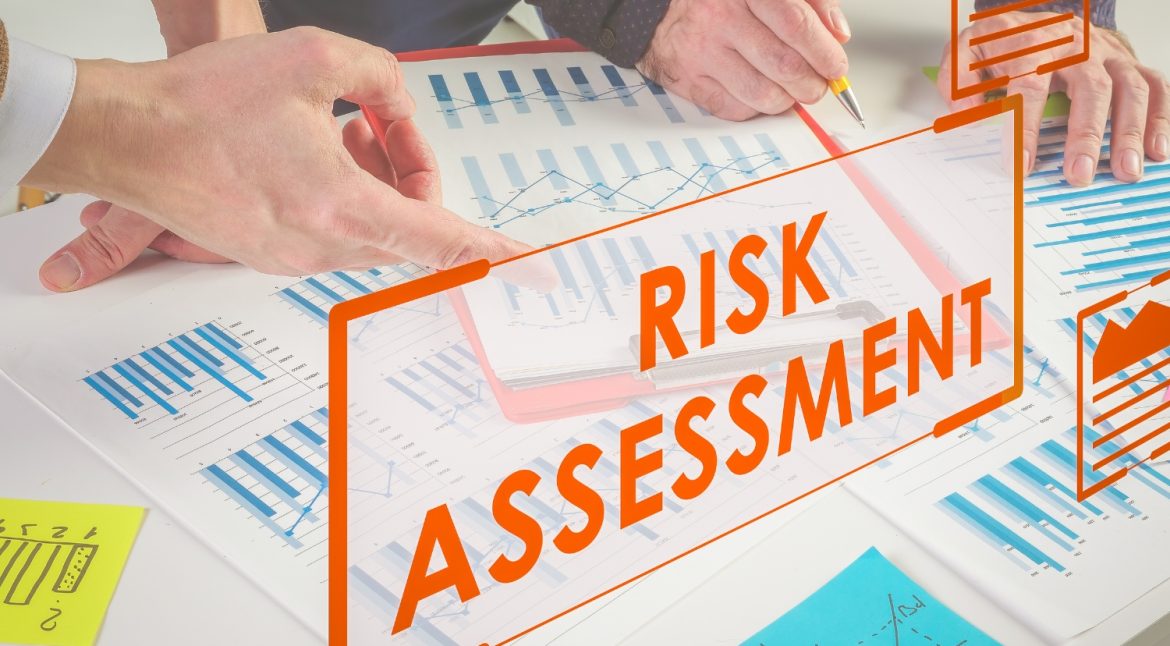
In today’s rapidly evolving business landscape, organizations are increasingly relying on data analytics to make informed decisions and manage risks effectively. Risk assessment involves identifying, evaluating, and mitigating potential risks that could impact a company’s operations, financial health, or reputation. Traditionally, risk assessment relied on subjective judgment and historical experience, but with advances in data analytics, businesses can now assess risks with greater accuracy and efficiency. In this blog, we’ll explore how data analytics is revolutionizing risk assessment across businesses.
1. Identifying Risks Using Data Insights
Data analytics enables organizations to identify risks by analyzing vast amounts of data from diverse sources, including financial statements, market trends, customer behavior, and operational data. By processing this data, businesses can uncover patterns, correlations, and anomalies that may indicate potential risks.
For example, financial institutions can use data analytics to detect irregularities in transaction data, identifying fraudulent activities before they escalate. Similarly, businesses can analyze supply chain data to identify vulnerabilities that could disrupt operations, such as supplier delays or changes in demand.
2. Predicting Future Risks with Predictive Analytics
Predictive analytics is a powerful tool for forecasting potential risks based on historical data and trends. By using machine learning algorithms and statistical models, businesses can predict the likelihood of future risks, allowing them to take proactive measures before a risk event occurs.
For instance, predictive analytics can be used in insurance underwriting to assess the likelihood of claims based on historical data, such as age, location, and past claims history. Similarly, companies can use predictive analytics to forecast market volatility, enabling them to adjust their strategies and mitigate financial risks.
3. Enhancing Decision-Making with Real-Time Data
Data analytics empowers businesses to make real-time decisions by providing up-to-date information on emerging risks. With real-time data, organizations can quickly respond to changing conditions and mitigate risks before they cause significant damage. This is especially valuable in industries like finance, healthcare, and retail, where quick responses to risk events can prevent losses and maintain customer trust.
For example, in the financial sector, real-time analytics can help detect market fluctuations, enabling companies to adjust their investment portfolios to reduce exposure to high-risk assets.
4. Mitigating Risks with Data-Driven Strategies
Once risks are identified and assessed, data analytics helps businesses develop effective mitigation strategies. By evaluating various scenarios and their potential outcomes, companies can choose the best course of action to minimize risk and maximize opportunity.
For example, businesses can use scenario analysis to assess the impact of different market conditions or regulatory changes, helping them develop contingency plans to manage these risks.
Conclusion
Data analytics has transformed the way businesses approach risk assessment. By leveraging data-driven insights, predictive analytics, real-time information, and scenario analysis, companies can identify, predict, and mitigate risks more effectively. This not only enhances decision-making but also improves a company’s ability to manage uncertainties and navigate a rapidly changing business environment.
#DataAnalytics #RiskAssessment #PredictiveAnalytics #RiskManagement #BusinessDecisions #DataDrivenStrategy #FinancialRisk #MachineLearning #BusinessAnalytics #MitigatingRisk