


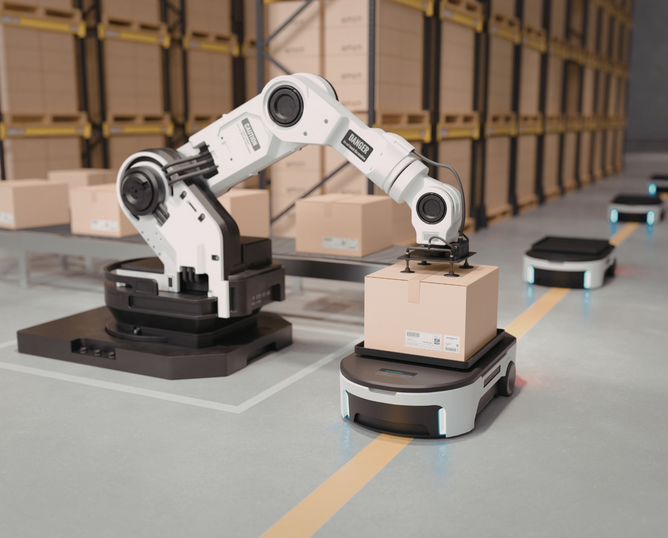
As the logistics industry continues to grow, companies are turning to warehouse automation to keep pace with increasing demand and to enhance operational efficiency. Automation in warehouses is transforming how goods are stored, sorted, and distributed, leading to faster processes, lower costs, and greater accuracy. Here’s a closer look at the key benefits of warehouse automation for logistics.
1. Increased Efficiency and Speed
One of the most significant benefits of warehouse automation is increased operational efficiency and speed. Automated systems, such as conveyor belts, robotic arms, and automated storage and retrieval systems (ASRS), can move and sort goods faster than manual labor, reducing the time it takes to fulfill orders. This speed is critical in industries like e-commerce, where fast delivery is a key customer expectation. With automated processes, warehouses can handle higher inventory volumes in less time, enabling companies to keep up with growing demand.
2. Cost Reduction
While the initial investment in automation technology can be high, the long-term cost savings are significant. Automation reduces the need for manual labor, lowering payroll costs. Furthermore, automated systems are more efficient and can work around the clock, maximizing productivity and minimizing downtime. The use of robotics also reduces errors associated with manual handling, such as misplaced items or picking mistakes, leading to fewer returns and corrections. As a result, the overall cost of operations decreases, thereby improving profit margins.
3. Improved Accuracy and Reduced Errors
In traditional warehouse operations, human errors—such as incorrect picking or misplacing items—can cause significant disruptions in the supply chain. Warehouse automation significantly reduces these errors by using barcode scanners, RFID technology, and AI-powered systems to track and manage inventory in real time. Automated systems ensure that products are picked and packed with greater precision, leading to fewer mistakes and higher customer satisfaction. By eliminating human error, warehouses can provide a more reliable and consistent service.
4. Optimized Space Utilization
Automated systems, such as ASRS, help optimize warehouse space by maximizing vertical storage and minimizing the need for wide aisles required by traditional manual operations. With automated stacking and retrieval, goods can be stored more efficiently, allowing companies to store more products in less space. This space optimization is critical as companies seek to reduce operational costs in increasingly expensive real estate markets.
5. Enhanced Safety
Warehouse automation can also improve workplace safety. Dangerous tasks such as lifting heavy items, navigating crowded aisles, or handling hazardous materials can be performed by robots, reducing the risk of injury to human workers. Automation also minimizes the risk of accidents caused by human fatigue or oversight. As a result, companies can create safer working environments, thereby reducing insurance costs and improving overall employee satisfaction.
Conclusion
Warehouse automation offers a wealth of benefits, including improved efficiency, cost savings, enhanced accuracy, optimized space utilization, and improved safety. As the logistics industry continues to evolve, businesses that invest in automation will be better positioned to handle rising demand, deliver faster services, and remain competitive in an ever-changing marketplace.
#WarehouseAutomation #LogisticsTechnology #EcommerceLogistics #SupplyChainOptimization #AutomationBenefits #LogisticsEfficiency #CostReduction #RoboticsInLogistics