


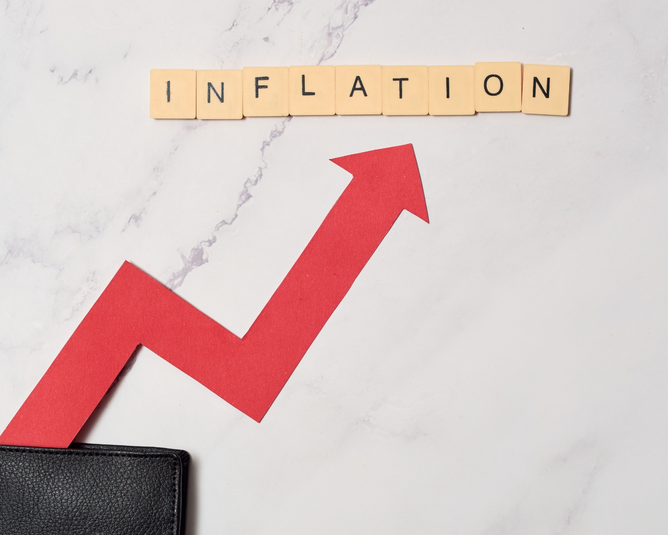
Inflation—the rate at which the general level of prices for goods and services rises—profoundly impacts financial markets. Whether you’re an investor, trader, or financial analyst, understanding how inflation influences the economic landscape is crucial for making informed decisions. From stock prices to bond yields, inflation can affect various asset classes differently. Here’s how inflation impacts financial markets and what you should know to navigate its effects.
1. Impact on Stock Markets
Inflation can have a mixed effect on stock markets. In the short term, investors may view rising inflation negatively, as it can lead to higher operating costs for companies, potentially squeezing profit margins. For instance, if the cost of raw materials or labor increases, companies may see reduced earnings growth, which could cause their stock prices to fall.
However, some sectors tend to perform better during inflationary periods, such as:
- Commodities: Energy, mining, and agricultural companies often benefit from rising prices of commodities like oil, metals, and crops.
- Consumer staples: Companies producing essential goods (like food, household products, and healthcare) may weather inflation better, as people still need to buy these items despite price increases.
Why it matters:
- Volatility: Inflation can lead to market uncertainty, causing fluctuations in stock prices. Investors may adjust their portfolios in response to anticipated changes in inflation rates.
- Sector performance: Inflation affects different sectors in various ways. Understanding which sectors benefit from or are hurt by inflation can help you position your investments accordingly.
2. Influence on Bond Markets
Inflation is crucial in bond markets as it directly affects interest rates. Central banks (such as the Federal Reserve) may increase interest rates to combat inflation. When inflation rises, higher rates lead to higher yields on new bonds, which makes existing bonds with lower yields less attractive. As a result, the prices of existing bonds fall.
Long-term bonds are typically more sensitive to inflation and interest rate hikes than short-term bonds. For instance, Treasury Inflation-Protected Securities (TIPS) are designed to protect against inflation, as their principal value increases with inflation, providing a hedge for bond investors.
Why it matters:
- Bond price sensitivity: Rising inflation and higher interest rates can lead to bond price declines, especially for long-term debt instruments.
- Interest rates: Central bank actions responding to inflation can significantly affect bond yields and investor sentiment.
3. Currency Value and Foreign Exchange Markets
Inflation erodes a currency’s purchasing power, which can lead to a decline in its value relative to other currencies. As inflation rises, investors may move capital out of countries with high inflation and into those with more stable currencies, leading to fluctuations in exchange rates. This can affect international trade, investment flows, and the profitability of multinational companies.
Why it matters:
- Currency depreciation: Inflation can cause the domestic currency to weaken, which may increase the cost of imports and lead to a widening trade deficit.
- Global trade: A weaker currency can make exports cheaper and more competitive, but it can also increase costs for businesses that rely on imported goods and services.
4. The Impact on Consumer Sentiment and Market Behavior
Rising inflation can impact consumer sentiment and spending behavior. As prices increase, consumers may reduce spending, particularly on non-essential goods. This reduced demand can hurt company revenues, particularly in sectors that rely on discretionary spending.
Furthermore, when inflation exceeds wage growth, consumers may have less disposable income, leading to an economic slowdown and decreased investor confidence.
Why it matters:
- Slower economic growth: Inflation can depress consumer spending, which can slow economic growth and reduce corporate profits.
- Market psychology: Inflation expectations highly influence investor sentiment, which can drive market behavior, including stock market volatility.
Conclusion
Inflation has a multifaceted impact on financial markets, influencing everything from stock prices and bond yields to currency values and consumer behavior. While it can present challenges, especially for businesses and long-term bondholders, inflation creates opportunities in sectors like commodities and consumer staples. By understanding the relationship between inflation and various asset classes, investors can better navigate market volatility and make more informed decisions.
#Inflation #FinancialMarkets #InvestmentStrategies #StockMarket #BondMarket #CurrencyMarkets #EconomicGrowth #InvestorSentiment #InflationImpact #MarketVolatility