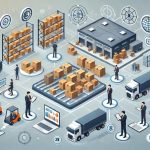
The growth of e-commerce has fundamentally transformed the logistics industry, creating new demands, opportunities, and challenges. As more consumers turn to online shopping for everything from daily essentials to luxury goods, logistics providers must adapt to keep up with rising expectations for speed, convenience, and flexibility. Here’s how e-commerce reshapes logistics and companies’ strategies to meet these evolving needs.
1. Rising Demand for Fast and Flexible Delivery
E-commerce has redefined customer expectations for delivery speed and flexibility. In many cases, the standard for fast shipping has shifted from several days to same-day or even two-hour delivery. Logistics companies now face intense pressure to speed up their supply chains and improve efficiency, especially for last-mile delivery. This final leg gets the product to the customer’s doorstep.
Example: Companies like Amazon and Walmart have pioneered rapid delivery services, including same-day delivery and in-store pickup, which require an agile logistics network capable of rapid fulfillment.
Impact: To meet these demands, logistics providers are investing in technology and innovative delivery models, such as micro-fulfillment centers located closer to urban areas, to cut down delivery times.
2. Expansion of Last-Mile Delivery Solutions
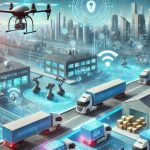
Last-mile delivery is crucial in the e-commerce logistics model, as it’s the process’s most time-consuming and expensive part. Companies are exploring various solutions to optimize last-mile delivery, including drone delivery, autonomous vehicles, and partnerships with local couriers. Many logistics providers also experiment with locker systems and drop-off points to give customers more flexible delivery options.
Example: Companies like UPS and FedEx are developing partnerships with local courier services to extend their last-mile capabilities in congested urban areas, ensuring faster and more efficient deliveries.
Benefit: These innovations speed up delivery and reduce the overall costs associated with last-mile logistics, helping logistics companies remain competitive in the fast-paced e-commerce market.
3. Increased Dependence on Data and Technology
With the complexities of e-commerce logistics, data and technology are critical in optimizing processes. Logistics providers leverage big data, artificial intelligence, and real-time tracking to improve inventory management, route optimization, and demand forecasting. This data-driven approach helps companies anticipate demand, avoid stockouts, and provide real-time updates to customers.
Impact: Advanced tracking and visibility allow customers to monitor their orders in real time, improving satisfaction and helping logistics companies streamline their operations.
4. Focus on Sustainable Practices
E-commerce has increased the volume of shipments, which can lead to higher carbon emissions. In response, logistics companies are prioritizing sustainability by adopting eco-friendly practices. These include using electric vehicles for deliveries, optimizing routes to reduce fuel consumption, and implementing packaging solutions that minimize waste.
Example: Companies like DHL and UPS invest in electric delivery vehicles and explore carbon-neutral shipping options to address environmental concerns associated with e-commerce logistics.
Benefit: By integrating sustainable practices, logistics companies reduce their environmental impact and appeal to eco-conscious consumers who value brands committed to sustainability.
Conclusion
E-commerce has significantly influenced the logistics industry, driving advancements in speed, technology, and customer service expectations. To meet these challenges, logistics providers are adopting innovative delivery solutions, investing in data-driven technology, and embracing sustainable practices. As e-commerce grows, the logistics industry will remain at the forefront of adapting and evolving, ensuring that businesses and customers enjoy a seamless and efficient shopping experience.
#Ecommerce #Logistics #LastMileDelivery #SupplyChain #CustomerExpectations #FastShipping #SustainableLogistics #LogisticsTechnology #DataDriven #OnlineShopping