Big data has emerged as a game-changer in decision-making in today’s fast-paced financial world. The vast amount of information generated daily—from market transactions, social media trends, economic reports, and customer behavior—provides financial professionals with an unprecedented resource. Leveraging big data enables more accurate, timely, and strategic decisions that drive success…
The financial landscape is evolving rapidly, thanks mainly to the rise of Financial Technology, or FinTech. This sector is revolutionizing traditional financial analysis by introducing innovative tools and techniques that enhance accuracy, speed, and accessibility. FinTech is reshaping how analysts interpret data and make decisions, from startups to established institutions.…
Blockchain technology, best known as the backbone of cryptocurrencies like Bitcoin, is increasingly influencing the world of financial analysis. Its unique features—decentralization, transparency, and immutability—reshape how economic data is recorded, verified, and interpreted. As blockchain adoption expands, its impact on economic analysis becomes more profound and promising. Enhanced Transparency and…
Stock valuation is a critical process for investors, helping them determine whether a stock is underpriced or overpriced relative to its potential. The goal is to estimate a company’s value and make more informed investment decisions. There are several methods to value a stock, with the most commonly used being…
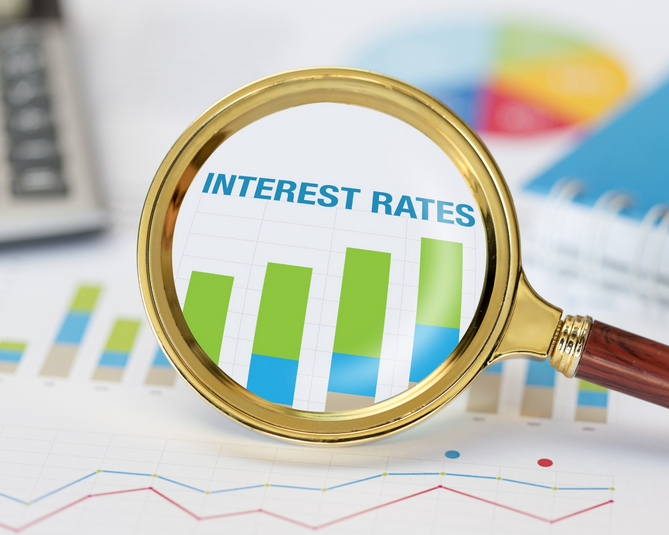
Interest rates are crucial in the financial world, influencing everything from personal loans to business investment decisions. A shift in interest rates, whether an increase or decrease, can significantly affect borrowers, savers, and the broader economy. Understanding how interest rate changes work and their potential impacts can help individuals and…
Gross Domestic Product (GDP) is one of the most important economic indicators, providing a snapshot of a country’s financial health. It represents the total market value of all goods and services produced within a nation over a specific period, typically a year or a quarter. Investors and analysts closely monitor…
Central banks play a critical role in maintaining the financial stability of a country’s economy. While their primary function is managing monetary policy, their responsibilities extend beyond simply setting interest rates. Central banks are pivotal in ensuring that financial systems are resilient, inflation remains in check, and the overall economy…
Risk is an inevitable part of growth and decision-making in business and personal finance. However, effectively identifying and managing financial risks can help mitigate potential losses and ensure long-term stability. By recognizing the risks that could impact your finances and employing strategies to manage them, you can confidently navigate uncertainty.…
Financial fraud is a serious issue that can have devastating consequences for individuals and businesses. Detecting fraud early is crucial in mitigating losses and protecting financial integrity. One of the most effective ways to identify fraud is through thorough economic analysis. By examining financial data and looking for inconsistencies, irregularities,…
Budgeting is the cornerstone of financial planning. It’s creating a plan to manage your income, expenses, and savings over a specific period, allowing you to take control of your finances and make informed decisions. Whether you are planning for retirement, saving for a home, or simply managing daily expenses, a…