


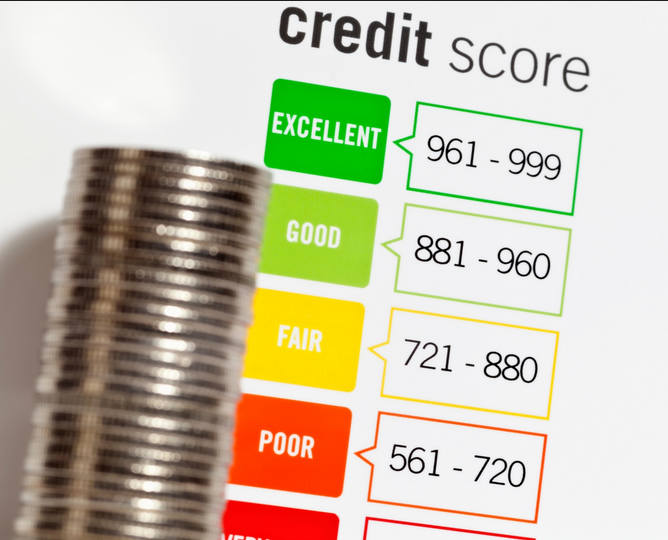
When it comes to managing personal or business finances, one of the most critical factors influencing financial decisions is the credit score. Whether you’re applying for a loan, renting a property, or seeking business funding, understanding how credit scores work and how they tie into financial analysis is crucial. Here’s a breakdown of credit scores and how they relate to economic analysis, helping you make informed financial decisions.
1. What is a Credit Score?
A credit score is a numerical representation of an individual’s or business’s creditworthiness, calculated based on their credit history and financial behavior. The score typically ranges from 300 to 850, with higher scores indicating better creditworthiness. It is determined by factors such as:
- Payment history: Timely payments on credit cards, loans, and other debts.
- Credit utilization: The percentage of available credit that is being used.
- Length of credit history: The duration of time accounts have been open.
- Types of credit: The variety of credit accounts, including credit cards, mortgages, and auto loans.
- Recent inquiries: The number of times credit has been applied for in a short period.
2. Why Credit Scores Matter
Credit scores play a key role in financial decision-making. For individuals, a good credit score often leads to better interest rates on loans, credit cards, and mortgages. Similarly, for businesses, maintaining a good credit score can result in lower borrowing costs, better supplier terms, and increased access to capital.
A low credit score, on the other hand, can make borrowing more expensive or even lead to denied applications for loans or credit lines. It is essential to understand your credit score and manage it effectively to access financial products and opportunities at favorable terms.
3. Financial Analysis and Credit Scores
Financial analysis involves examining a person’s or a business’s financial health using various data points. In the case of personal finances, credit scores are a key indicator of financial responsibility. At the same time, companies may use credit scores in tandem with other metrics, such as cash flow, debt levels, and profit margins.
In business financial analysis, a strong credit score signals financial stability, which is attractive to investors and lenders. For individuals, good credit management can also be seen as a sign of financial discipline, affecting not only loan eligibility but also long-term financial planning.
4. Improving Your Credit Score
Improving a credit score involves:
- Paying bills on time: Timely payments are a significant factor in building a strong credit history.
- Reducing credit card balances: Lowering the credit utilization ratio can improve your score.
- Limiting new credit inquiries: Each hard inquiry can temporarily lower your score.
Conclusion
Understanding credit scores and their role in financial analysis is essential for both individuals and businesses. A good credit score can unlock economic opportunities, while a poor one can limit access to crucial credit. By managing credit scores effectively and incorporating them into broader financial strategies, you can ensure better economic outcomes and access to resources.
#CreditScores #FinancialAnalysis #CreditManagement #PersonalFinance #BusinessFinance #FinancialHealth