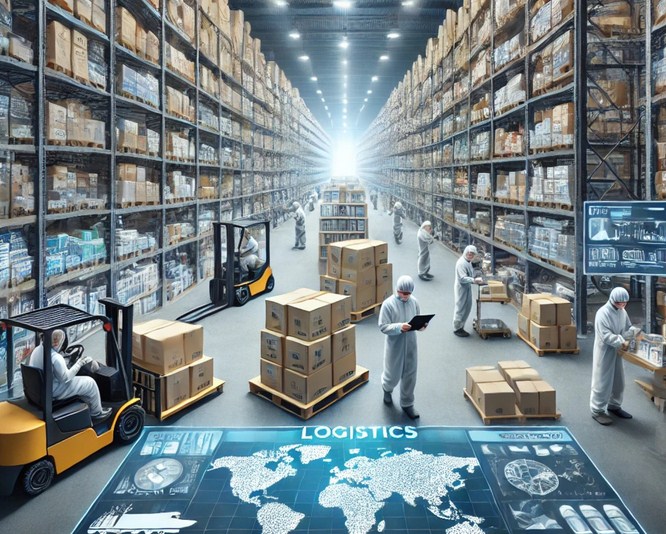
Logistics plays a critical role in the pharmaceutical industry, ensuring that life-saving drugs and medical supplies reach healthcare providers, pharmacies, and patients in a timely, efficient, and safe manner. The complexity of the pharmaceutical supply chain—combined with the high standards required for product safety and compliance—makes logistics one of the industry’s most important components. From temperature-sensitive shipments to regulatory compliance, here’s how logistics impacts the pharmaceutical sector.
1. Ensuring Timely Delivery
In the pharmaceutical industry, timely delivery is crucial. Delays in shipments can result in stockouts, missed doses, and even life-threatening consequences for patients. Logistics providers must ensure that pharmaceuticals are delivered on time to prevent disruptions in the supply chain, especially for critical medications like vaccines, antibiotics, and pain relievers.
Why It Matters:
- Pharmaceutical companies must meet tight deadlines to ensure healthcare providers have the medications they need for patient care.
- Efficient logistics management helps reduce delays, improve stock levels, and maintain patient trust.
2. Temperature Control and Cold Chain Management
Many pharmaceutical products, such as vaccines, biologics, and insulin, are temperature-sensitive and require specific storage and transportation conditions. Cold chain logistics is essential in maintaining the required temperature range throughout the transportation process—from warehouse to end-user.
Why It Matters:
- Any deviation from the required temperature can degrade the effectiveness of drugs, making them unsafe or ineffective.
- Cold chain logistics must be carefully monitored and managed with temperature-controlled storage, refrigerated trucks, and real-time monitoring to ensure the integrity of the products.
3. Regulatory Compliance and Documentation
The pharmaceutical industry is heavily regulated, with stringent requirements for transporting and storing medications. Logistics providers must ensure compliance with regulations set by authorities such as the Food and Drug Administration (FDA), the European Medicines Agency (EMA), and other local regulatory bodies. This includes managing proper documentation and tracking systems and ensuring that the transportation of drugs meets international standards.
Why It Matters:
- Regulatory non-compliance can result in penalties, fines, or even the recall of drugs, which can be costly and damage a company’s reputation.
- Accurate documentation, including batch records and shipping receipts, is essential for tracking and auditing shipments.
4. Handling Returns and Rejections
Product returns or rejections are a standard part of the pharmaceutical industry’s logistics standard. Pharmaceutical products may be returned due to damage, temperature excursions, or other issues. HA, robust processes to handle these returns—while ensuring safety and compliance—help minimize waste and maintain the quality of the drugs.
Why It Matters:
- Proper return management is necessary for regulatory compliance, especially for damaged goods or expired products.
- A streamlined return process helps reduce waste, ensuring products are correctly reprocessed or destroyed by industry standards.
5. Tracking and Transparency
In today’s digital age, tracking is essential for ensuring visibility throughout the supply chain. From production to delivery, pharmaceutical companies must always know the location and status of their products. Advanced technologies like GPS tracking and RFID help provide real-time shipment data, ensuring transparency and preventing theft or loss.
Why It Matters:
- Tracking enhances supply chain visibility and allows for quick responses to delays, theft, or other issues.
- It improves accountability, reduces the risk of errors, and helps ensure that products arrive safely at their destination.
Conclusion
Logistics is vital in the pharmaceutical industry, ensuring safe, efficient, and timely delivery of medications and medical products. As the industry grows, it drives operational efficiency, reduces costs, and improves patient outcomes.
#PharmaceuticalLogistics #ColdChainManagement #SupplyChain #PharmaIndustry #LogisticsManagement #RegulatoryCompliance #HealthcareLogistics #PharmaceuticalSupplyChain